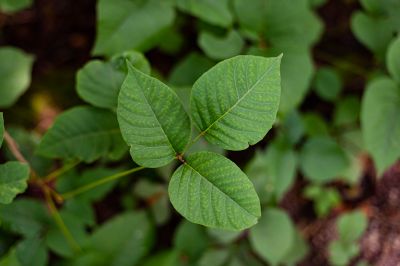
Poison Ivy Removal in Delaware County, PA
Poison ivy removal services focus on safely eliminating this common plant that can pose health risks to homeowners and their families. These services typically involve identifying the presence of poison ivy on a property, whether it’s growing along fences, in wooded areas, or within garden beds, and then carefully removing or treating the plants to prevent regrowth. Projects may range from clearing small patches in yards to larger infestations on wooded or landscaped areas, helping property owners maintain safe and enjoyable outdoor spaces.
Before requesting poison ivy removal, property owners usually want to understand the extent of the infestation, the methods used for removal, and any precautions needed during and after the process. It’s important to know whether the removal involves chemical treatments, physical removal, or a combination of both, and to consider if additional landscaping or cleanup is recommended afterward. Clear information about the scope of work can help ensure that the property remains safe and free of this irritating plant.
Many property owners in Delaware County, PA look into Poison Ivy Removal for repairs, replacements, upgrades, and appearance-related improvements.
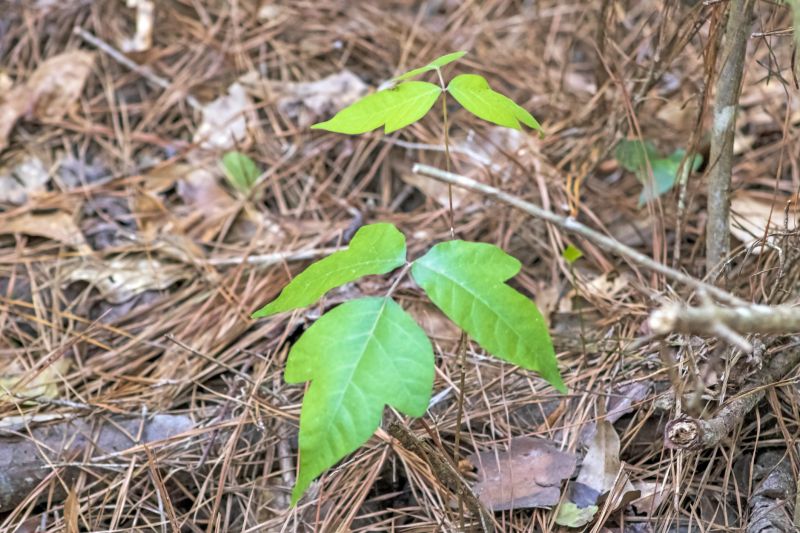
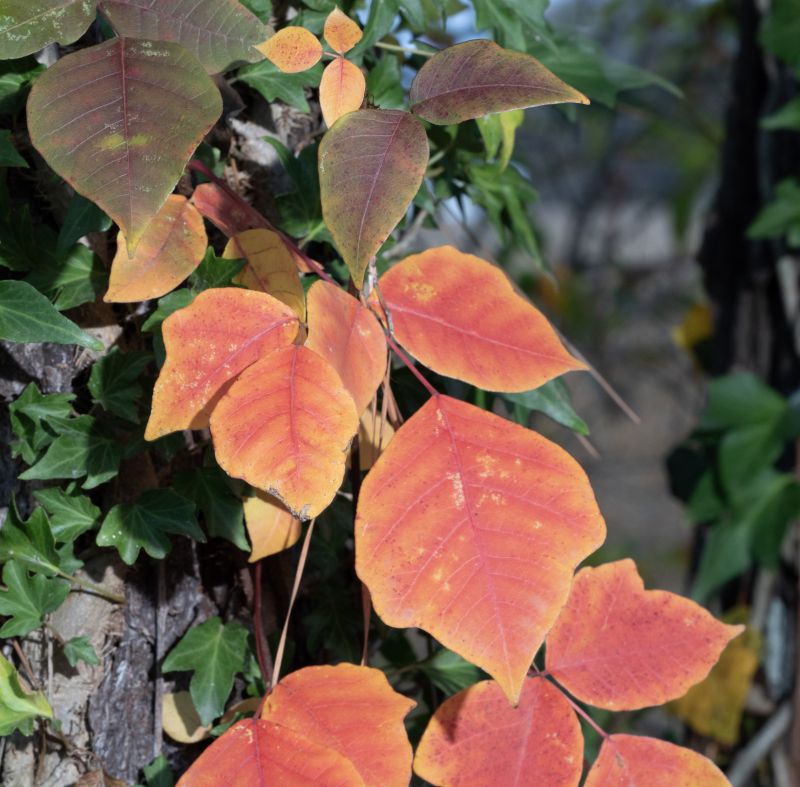
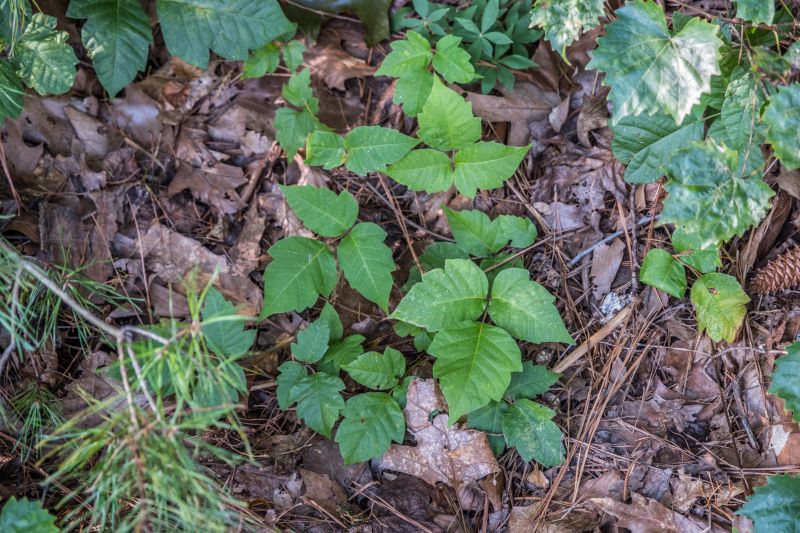
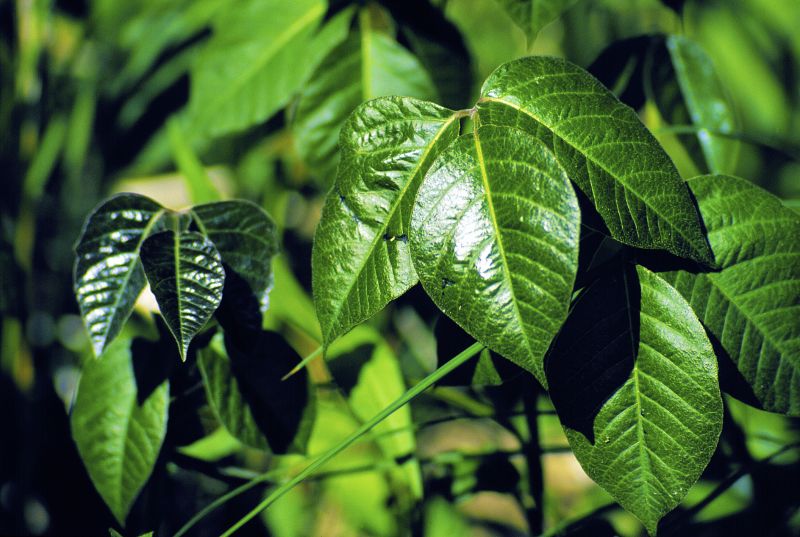
Identifying Poison Ivy
Recognizing poison ivy is essential for safe removal and property safety.
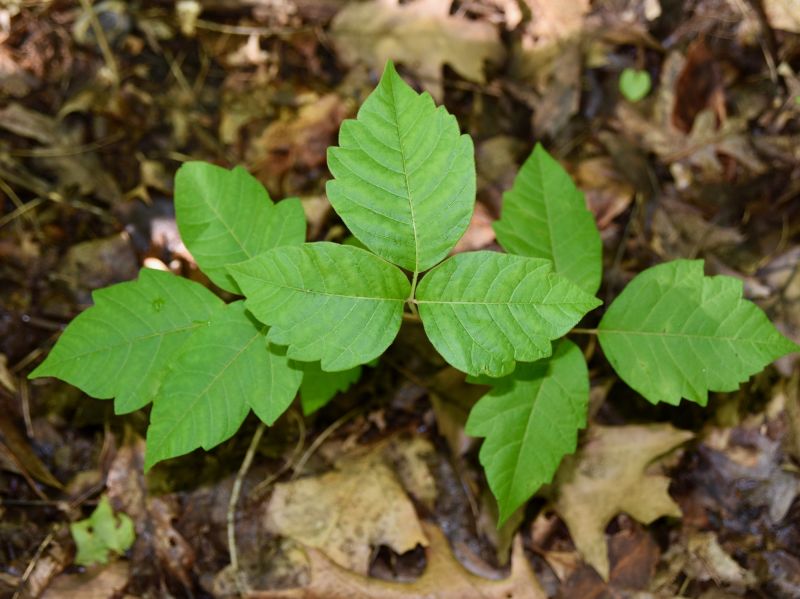
Safe Removal Techniques
Proper removal methods prevent skin irritation and protect surrounding plants.
Property Maintenance
Removing poison ivy helps maintain a healthy landscape and reduces exposure risks.
Poison Ivy Removal in Delaware County, PA
Poison ivy removal services focus on safely eliminating this common plant that can pose health risks to homeowners and their families. These services typically involve identifying the presence of poison ivy on a property, whether it’s growing along fences, in wooded areas, or within garden beds, and then carefully removing or treating the plants to prevent regrowth. Projects may range from clearing small patches in yards to larger infestations on wooded or landscaped areas, helping property owners maintain safe and enjoyable outdoor spaces.
Before requesting poison ivy removal, property owners usually want to understand the extent of the infestation, the methods used for removal, and any precautions needed during and after the process. It’s important to know whether the removal involves chemical treatments, physical removal, or a combination of both, and to consider if additional landscaping or cleanup is recommended afterward. Clear information about the scope of work can help ensure that the property remains safe and free of this irritating plant.
Many property owners in Delaware County, PA look into Poison Ivy Removal for repairs, replacements, upgrades, and appearance-related improvements.
Common Poison Ivy Removal Jobs
Poison Ivy Removal Services - safely clearing ivy from residential yards and gardens.
Property clearing - removing poison ivy from lawns, fences, and outdoor structures.
Landscape maintenance - preventing ivy regrowth to protect plant health and aesthetics.
Safety trimming - reducing ivy overgrowth near walkways and outdoor living areas.
Vegetation control - targeting poison ivy to minimize skin contact hazards.
Site cleanup - disposing of removed ivy to keep outdoor spaces clean and safe.
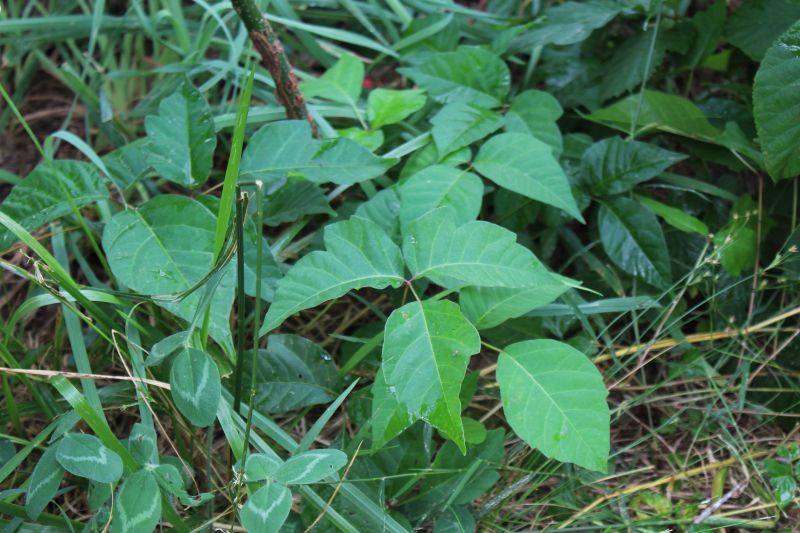
Poison Ivy Removal Questions
What is poison ivy removal? Poison ivy removal involves safely eliminating the plant to prevent skin irritation and protect property.
When should poison ivy be removed? Removal is recommended when poison ivy is growing in high-traffic areas or near structures to reduce exposure risks.
What methods are used for poison ivy removal? Techniques include manual removal, herbicide application, and root clearing to ensure complete eradication.
Is professional poison ivy removal safe for my property? Yes, professionals use proper techniques to remove poison ivy without damaging surrounding plants or landscaping.
Request Poison Ivy Removal in Delaware County, PA
Use the quote form on this page to share the basics of your project and request more information for the type of work you need.